
Built for real-world use
Oxygen chambers, built by us to ASME standards
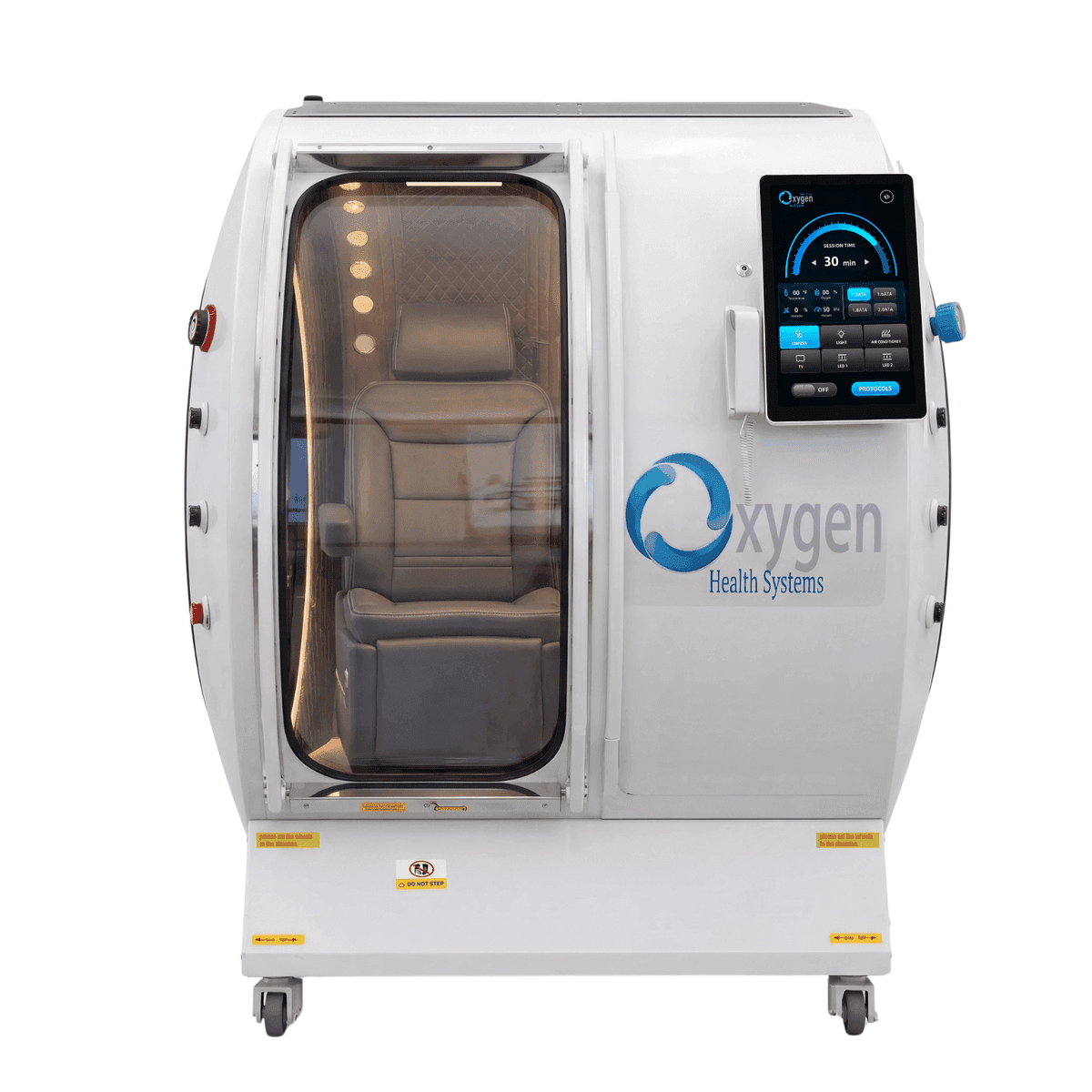
We build the Vital Sphere 360 as a pressure vessel first. The ASME U Stamp reflects the work behind the shell: controlled materials, documented fabrication, inspection, and pressure testing before a chamber leaves our facility.
 Pressure Vessel2.0 ATA · 100 kPa
What we build to
What the U Stamp covers in your chamber
Every session takes place inside a vessel that is repeatedly pressurized and returned to normal. That is why we focus on the details customers cannot see once the chamber is installed: the shell, the fabrication record, the inspection points, and the test that happens before delivery.
The shell comes first
The hard chamber is the pressure boundary around every session. We treat its design, materials, joints, fittings, and access points as pressure-vessel work—not cosmetic housing.
A process we can show
ASME work is tied to controlled procedures and records. That gives buyers a clearer view of how the chamber was made, checked, and prepared for service.
More than our word
The U Stamp brings inspection into the picture. It is an external check on the manufacturing system behind the chamber, not just a line in a brochure.
The U Stamp
The U Stamp
What does the ASME U Stamp mean?
The U Stamp is tied to the pressure-vessel work behind the chamber. For a buyer, that means the vessel is made through a defined system—not assembled casually and described as “certified” after the fact. The work includes:
- Controlled manufacturing procedures
- Approved fabrication processes
- Qualified welding processes and personnel, where applicable
- Material and component traceability
- In-process and final inspection
- Pressure testing
- Documented quality-control procedures
Recognized pressure-vessel certification is one part of a chamber's overall safety profile. It does not eliminate the importance of proper installation, operation, and maintenance.
The Process
From engineering to final inspection
- 01
Design the vessel
Set the pressure, structure, access, and service requirements before fabrication begins.
- 02
Control the materials
Select and track the materials and components that become part of the pressure boundary.
- 03
Build to procedure
Use controlled fabrication methods and qualified personnel throughout the build.
- 04
Inspect and test
Check the work in process and pressure-test the finished vessel before release.
- 05
Document the build
Complete the required review and apply the ASME identification to the certified vessel.
For owners and clinics
Know what is behind the shell.
A vessel built for repeat use
The chamber is made for the routine cycle of pressurizing, holding, and returning to normal between sessions.
A clearer ownership story
The certification framework gives your team something concrete to ask about when reviewing a chamber purchase.
Inspection in the process
The build is not finished when the paint is finished. Inspection and testing are part of getting the vessel ready.
Confidence for the next session
The goal is straightforward: a pressure vessel your clinic can operate with a better understanding of how it was built.
ASME U Stamp
Pressure Vessel Certification
Pressure Tested
Manufacturing Verification
Independent Inspection
Third-Party Oversight
Documented Quality Control
Controlled Manufacturing Process
Vital Sphere 360
Safety engineering without compromising comfort.
The pressure vessel is the foundation. Around it, we add the features that make the Vital Sphere 360 practical to own and comfortable to use: an approachable entry, intuitive controls, cooling, and an interior designed for the full length of a session.
Explore the Vital Sphere 360Want the details behind the chamber?
Talk with the Oxygen Health Systems team about the Vital Sphere 360, the ASME U Stamp, and what ownership looks like for your clinic or home.